
Spotlight On…Emily Spooner
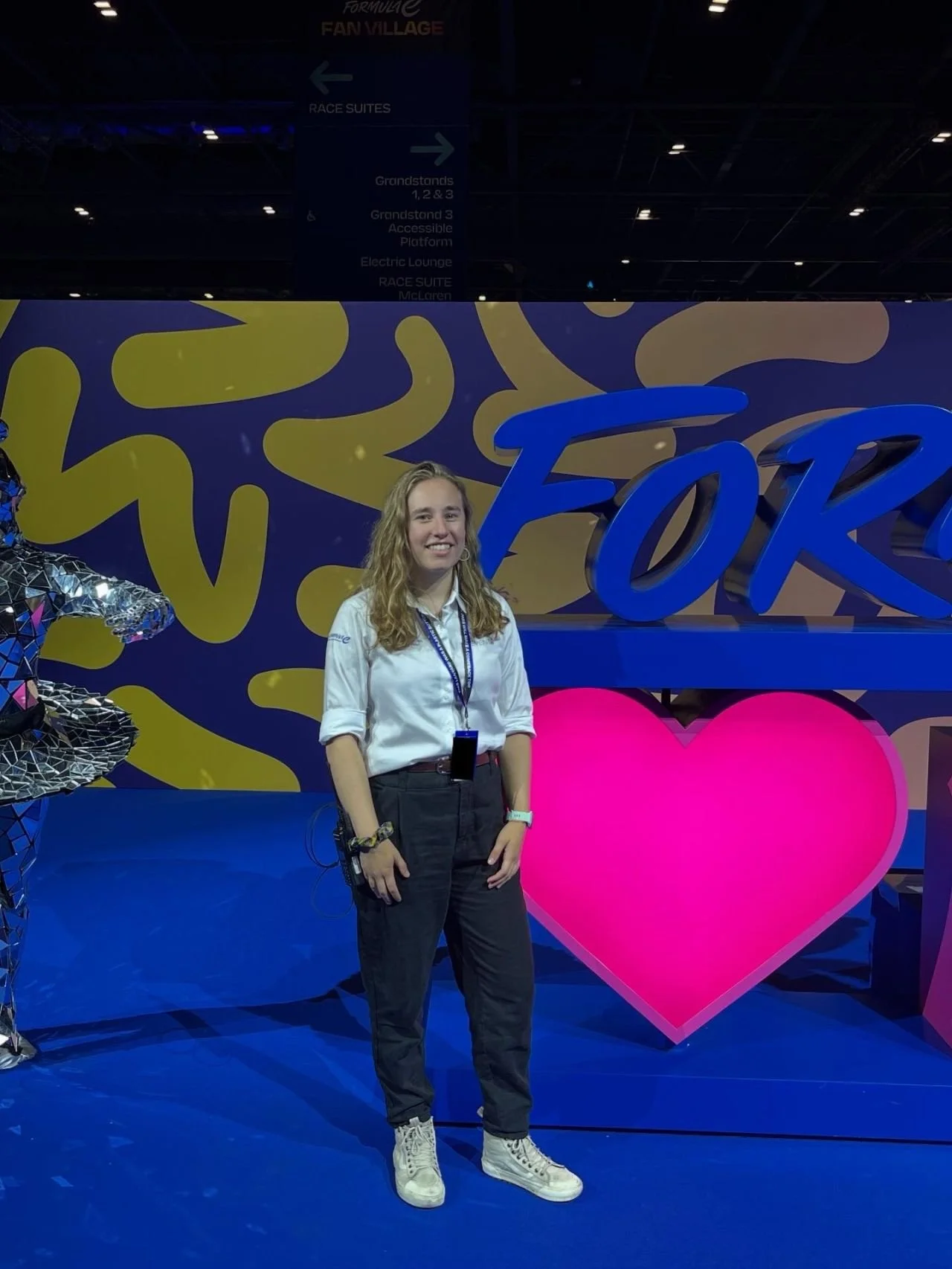
Emily joined LS Events as a draughtsperson in early 2023, her first assignment was the UEFA Champions League Final in London, supporting LS Events site management teams with their site plan drawing updates across two 80,000 capacity Fan Meeting Points for Dortmund and Real Madrid fans, while also supporting changes to the documents relating to the UEFA Champions Festival across Trafalgar Square, Regent Street, Somerset House, South Bank, Victoria Embankment and Potters Fields Park. Emily quickly demonstrated a rare combination of precision, creativity, and operational understanding, managing a Vectorworks document that spanned 140-drawing layers. What began as a short-term contract turned into a full-time position, and within two years, she has become an emerging talent for LS Events, redefining how design enhances the fan experience in live sport.
What first drew you to the world of live events, and what has been the most surprising thing you’ve learned since joining the team?
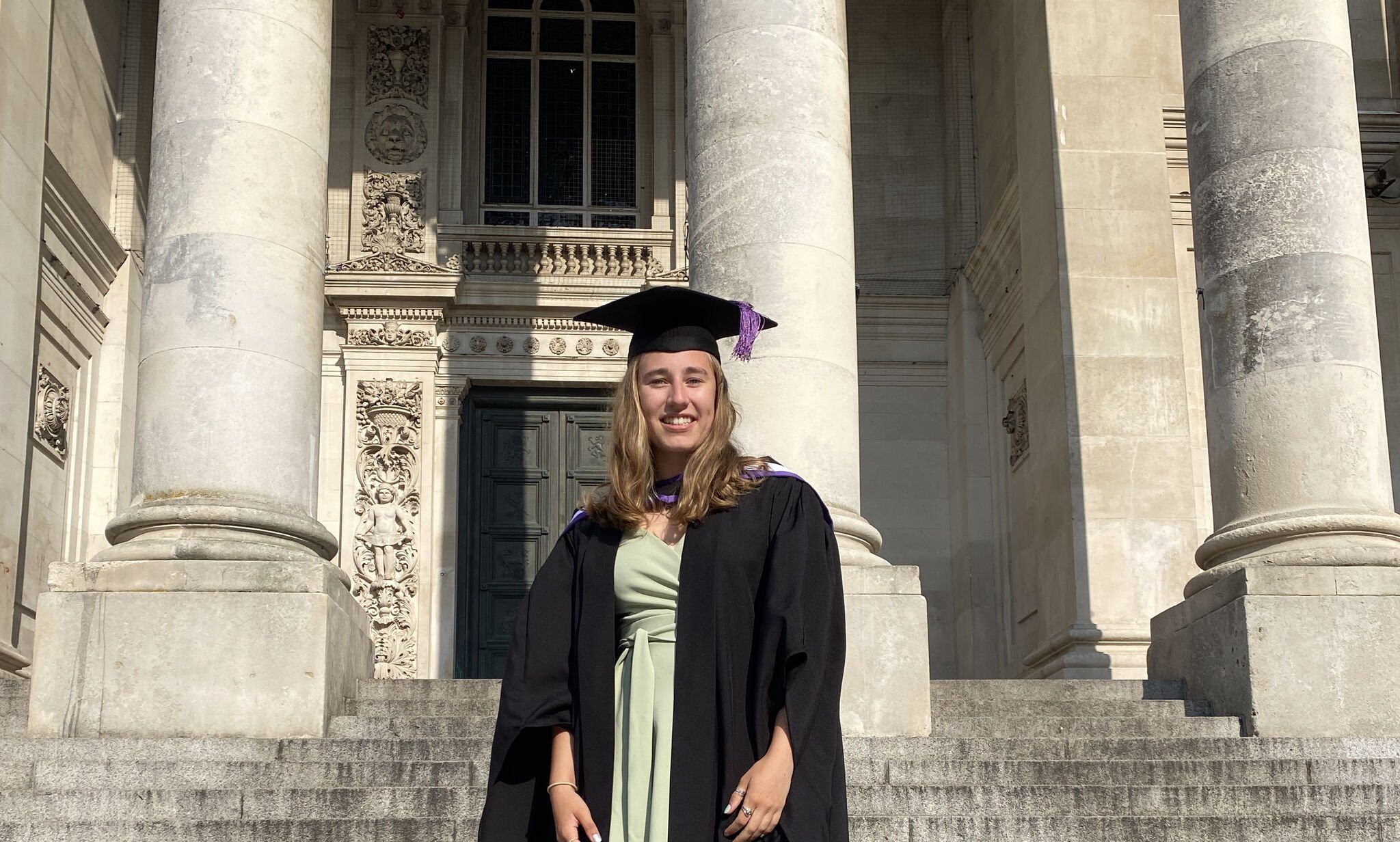
What first drew me to the world of live events was my interest in community-focused design during my interior architecture degree. I’ve always been drawn to how spaces can bring people together and shape shared experiences, so live events felt like a natural extension of that.
Since joining the team, the most surprising thing I’ve learned is just how much detail and coordination happens behind the scenes to create something that feels effortless in the moment. It’s a real mix of creativity, problem-solving, and teamwork.
Outside of the massive project milestones, what is one small 'win' or moment of teamwork recently that made you proud to work here?
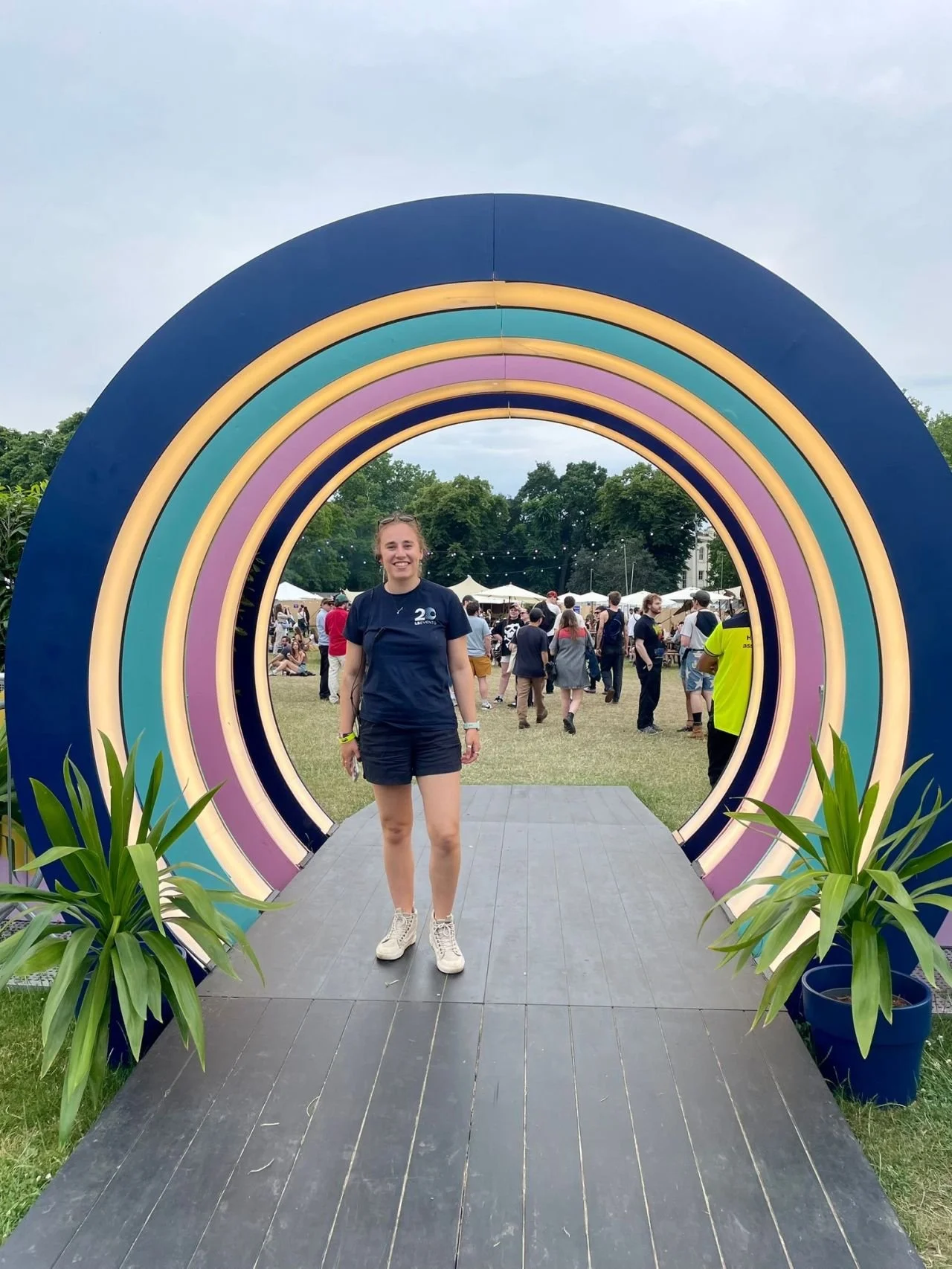
Outside of the big milestones, a recent ‘win’ for me has been those moments where people from across different teams come together to finalise a project. Seeing everyone bring their expertise, align quickly, and support each other to get things over the line is always really rewarding.
It’s a great reflection of the collaborative culture here, and those moments are what make me proud to be part of the team.
If you weren't an event professional, what would your 'alternate universe' career be—and does it share any skills with what you do now?
If I wasn’t working in events, I’d probably be an outdoor instructor, I used to work as a climbing instructor, so it’s something I’ve always enjoyed.
In a lot of ways, it shares similar skills. It’s all about creating positive experiences, working closely with people, and collaborating to make sure everyone feels supported and has a great time.
You transitioned from a short-term draughtsperson to a key talent in record time. What’s your secret to balancing technical precision with the creative 'big picture' so quickly?
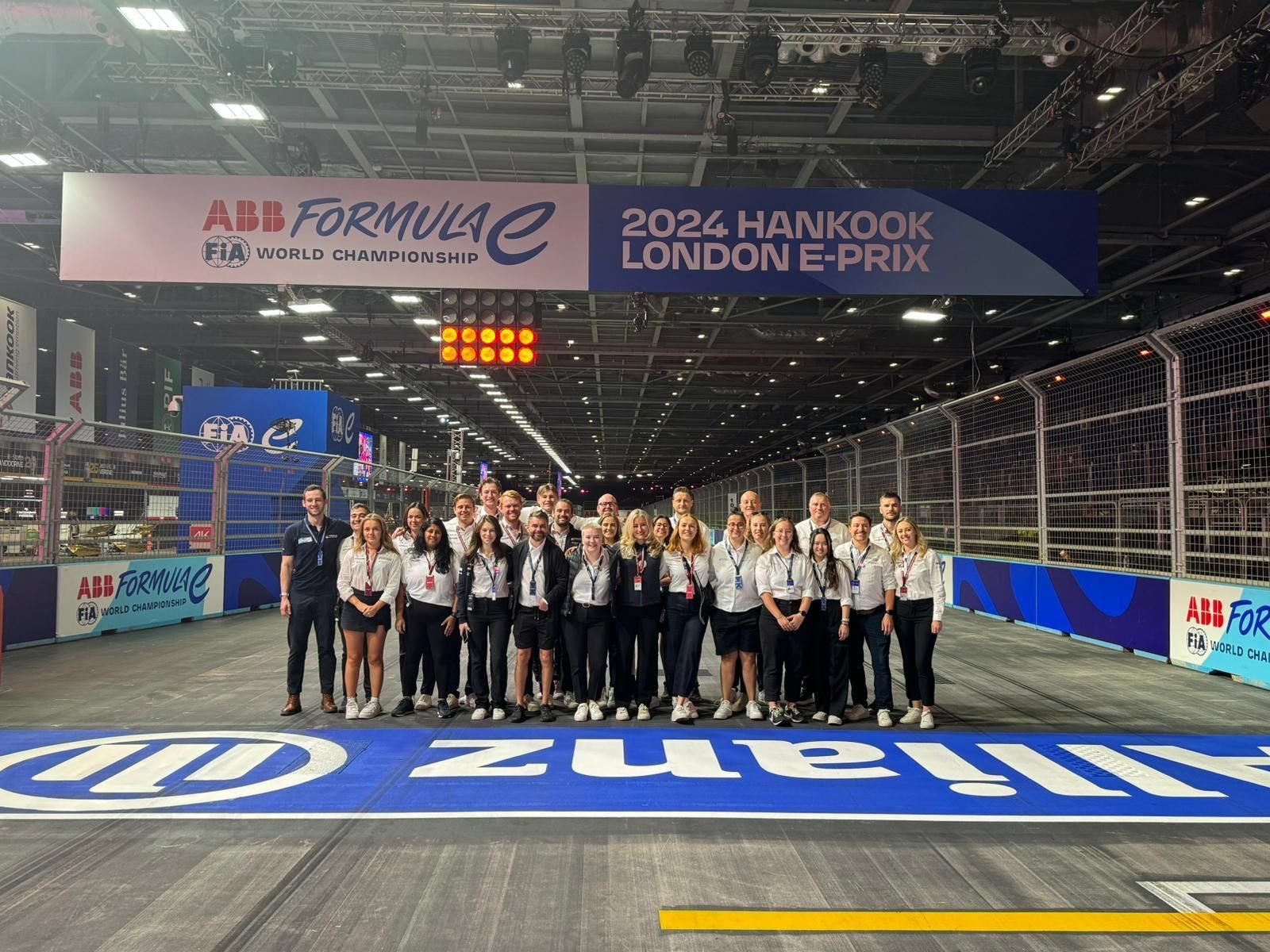
Coming from a more creative background, I naturally lean towards the bigger picture thinking about how a space feels and how people will experience it. Developing the technical precision has come through hands-on onsite work and learning quickly in real time.
A big part of that has been the support from my colleagues, who’ve taken the time to share their knowledge and walk me through the terminology and technical details. That balance between creativity and precision has really come from being curious, asking questions, and learning from the team around me.
You manage incredibly complex documents, sometimes spanning 140 layers. How do you balance the 'left-brain' technical precision needed for power runs and safety zones with the 'right-brain' creativity required to produce beautiful 3D renders for clients?
It’s definitely a balance, but I see the two sides as really complementary rather than separate. The technical detail, like power runs and safety zones creates a solid foundation that makes the creative side possible.
From there, the 3D renders are about bringing that structure to life and helping clients really visualise the experience. Having a creative background helps me think about the overall feel, while the technical side ensures everything works in reality. It’s that combination that makes the end result both functional and engaging.
You’ve said your mission is 'creating spaces for people.' When you are designing a high-capacity area like the Fan Village, what is one 'human' detail you always look for that others might overlook?
For me, it’s making sure everyone feels like they have a place within the space. When you’re designing something high-capacity, it’s easy to focus on the big picture and the overall visual impact but the individual experience is what people remember.
I always try to think about how different people will move through and use the space, and whether there are moments where they can feel comfortable, included, and part of the experience. The “wow” factor matters, but it’s those smaller, human details that really make a space meaningful.
